

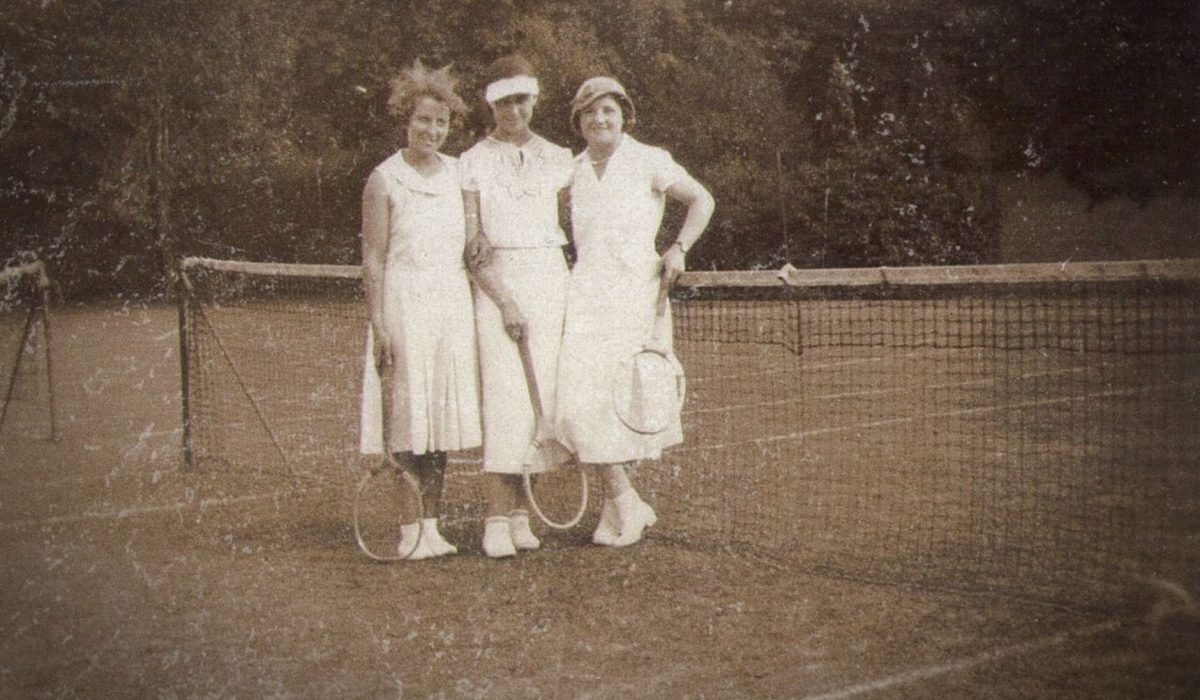
The history of female fashion of the 1930s is the history of elegant change. By early 1960s, women were abandoning the loose and boyish form of the 1920s and beginning to adopt a more defined form. Fashion was more long, more fitted, and more consciously feminine and designers were still experimenting with fabrics, cuts and decoration. The outcome was a style which could appear glamorous but not necessarily extravagant.
Another aspect of the 1930s was economic uncertainty, social transformation, and technological innovation. All these aspects had an impact on the daily wear of women. Clothing was to be stylish and yet be useful, flexible, and multifunctional. The dresses were now an essential wardrobe, and luxurious day dresses sat side by side with elegant evening dresses. Accessories, hairstyles and makeup were used to complete the polished look that became so much a part of the time.
The simplicity and glamour is the most interesting thing about this decade. A woman might put on the comparatively modest dress with a well-fitted waist as well as elegant sleeves and a hat and still manage to produce a rather fashionable image. Hollywood was a significant contributor as well, making actresses into fashion models and making viewers acquainted with exquisite gowns, glamorous evening-wear and well-fitting suits.
The Silhouette of the 1930s
A more natural and more elongated line of silhouette was one of the most obvious changes of the 1930s fashion. The designers focused on vertical line of the body instead of the straight and loose form of the prior decade. Dresses were not necessarily tightly-fitting but followed the figure in a soft manner that gave a smooth and graceful effect.
The waist was more accentuated though it was not necessarily tightly twisted. Dresses were made with a lot of definition by wearing belts, by placing seams, pleats or gathers. This had a general impact of elegance as opposed to subjugation. The length of skirts was usually less than the 1920s, and they were frequently worn below the mid-calf or below, which added to the graceful motion of the decade clothing.
One of the most powerful changes of the time was represented by the bias cut. The diagonality of fabric, enabled dresses to fall naturally and move naturally as the wearer walked. This method was most successful with silk and satin as their smooth surfaces produced a flowing effect.
Necklines too evolved during the decade. Dresses had a modest V-neck or round collar, evening gowns might have a dramatic back, or a well-planned shoulder line. Designers realised that the way to be elegant was not necessarily to be ornamented. The luxury fabric and the mere shape were sufficient at times.
Another possibility of variation was sleeves. Day dresses may have conveniently short sleeves or puffed styles, or evening dresses may have gathered shoulders or trimmerings near the upper arm. Towards the end of the decade more structured fashion of the 1940s can be alluded to by the emergence of stronger shoulders.
Daytime Dresses, Workwear, and Everyday Clothing
To live a normal life, women in the 1930s possessed numerous dresses that were meant to be worn to work, to go shopping, during a social event as well as when doing house chores. The dresses that were commonly used as day wear were made of efficient material like cotton, rayon, wool and even light blends. Prints started to be popular, as well as florals, checks, dots, stripes, and small geometric patterns.
The average day dress was never homely. Even simple garments were typically embellished with details of button fronts, were fitted at the waist, pleated, collars, piped or ornamental stitching. A dress might thus prove to be useful and at the same time feel classy and feminine.
Separates were also being of greater use. Women could wear a blouse with a jacket or cardigan or a tailored jacket as per the occasion. Knitwear was especially handy when it came to layering and it could provide additional warmth, but not look messy.
Women who entered offices and other work places were required to wear suits. These were typically more tailored than everyday clothes and maybe matched jackets and skirts. The suits were shaped to the shoulders, and customized seams provided them with a respectable appearance, then the hats and gloves made the outfit complete.
Trousers were also increasingly popular in outdoor activities and informal events, which were still not the common options of many women. Trouser Wide-leged trousers, beach pajamas and sports practical clothes became popular as more people became interested in leisure and sports.
Outerwear was also crucial. Wool dresses, whether with a waist, high collar, fur or big lapel would convert an ordinary dress into an elegant outfit. Older outfits were also made to appear newer with accessories, thus not necessitating a new wardrobe altogether.
Evening Glamour and Hollywood Influence
Violently perhaps nothing in 1930s fashion was as memorable as eveningwear. The 10s developed a style of glamour which was cumulative based on long gowns, flowing fabric, elegant backs and sophisticated draping. Formal clothes were particularly famous with silk, satin, velvet and chiffon.
These styles were strongly inspired by Hollywood. It helped create a glamorous standard of femininity as movie stars were doing it in glamorous costumes that were seen by audiences all over the world. Actresses turned into style icons and designers knew the importance of making dramatic appearances that were memorable on screen.
The low or revealing backs, sweeping skirts, fine straps, or sculpted necklines were common in evening gowns. In contrast to the bead overboard commonly linked to the 1920s, 1930s lustre was often based on the cut of the garment itself. The drape, proportion and movement made it beautiful.
Colours might be luxuriant and theatrical, yet the colour of the decade was cozier too. Deep colours, black, ivory, cream, pastels and subdued prints were all worn in the stylish wardrobes. Satin was special since it captured light and accentuated the elegant movement of a dress.
Evening accessories were selected conscientiously. Long gloves, fancy shoes, small handbags and jewelry may add to the overall outfit but these are not overwhelming. It was typically aimed at the desired balance and polish.
Hats, Shoes, Hairstyles, and Other Finishing Touches
The entire 1930s appearance could not be complete without accessories. Hats were especially significant, women wore berets, brimmed hats, sculptural forms, which framed the face and matched an outfit.
Shoes were usually well-polished but comfortable. T-strap fashions, pumps and buckles, cut-outs, contrasting materials and small heels were all fashionable.
Handbags tended to be compact and stylish. Gloves were still frequent and used during many occasions, particularly formal occasions. Belts were also handy as they could highlight the waist and place a bit of definition in a plain dress.
Hairstyles were transformed with clothing. The more recent styles of the last decade slowly replaced short ones with the softer waves and curls. The hair was frequently cut near the head and the waves were laid around the face with much attention.
Makeup also came to the fore. Etched eyebrows, contoured lips, and well applied make-up contributed to building the perfected Hollywood beauty image.
Final Thought
The fashion of 1930 women is still remembered due to its elegance, convenience and glamour. Bloused skirts, elaborated waistlines, flowing clothes and considerate accessories gave rise to a unique style which continues to influence contemporary fashion.
The decade too revealed that style did not have to be lavish. Any plain dress might be transformed with good proportions, elegant folds, a clever hat or a well-designed look.
FAQs
What were the main features of 1930 women's fashion?
Longer skirts, defined waists, soft tailoring, flowing fabrics, and elegant accessories.
What dresses were popular in the 1930s?
Day dresses, shirtwaist dresses, fitted afternoon styles, and flowing evening gowns.
How did 1930s fashion differ from 1920s fashion?
It favored longer lengths and more defined, feminine silhouettes.
Did women wear trousers in the 1930s?
Yes, mainly for sports, leisure, beachwear, and informal activities.
Why was Hollywood important to 1930s fashion?
Hollywood stars popularized glamorous clothing, hairstyles, and beauty trends.
What accessories were common in the 1930s?
Hats, gloves, handbags, belts, jewelry, and stylish shoes.