

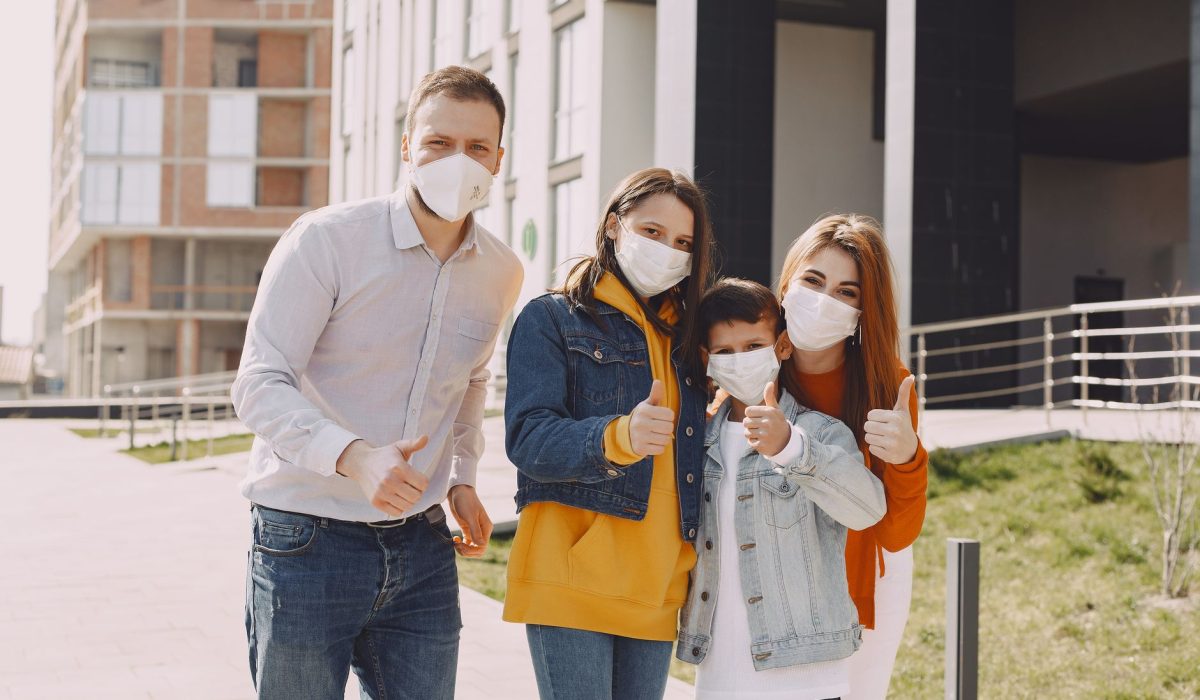
Governments, health professionals or hospitals are not the only ones with the duty to take care of public health. Each individual can make the decisions which will not only safeguard their own health but enrich the well-being of others. And, in case you ever asked yourself what one person can do to make a difference in the health of the public, it turns out that the correct answer is small things, which can bring significant change.
All the time, everyday habits make up healthy communities. Being a good handwasher, keeping pace with vaccines, contributing to local health factories, and making wise choices make the environment safer. By engaging in healthy behaviors, individuals are promoting the reduction of disease risks and promoting the same behavior in others.
The prevention aspect of health aids more in public health. Such responsibility towards self health and community actions are something that an individual can do to build a healthier future of all people.
Why Individual Actions Matter.
The prevention of illness, the promotion of healthy lifestyles, and the security of communities against the health threats are the aims of the public health. Whereas medical professionals cure illnesses, public health intends to minimize the risk of individuals getting ill in the initial place.
Personal behaviours are significant since most of the health issues are transmitted by communities. More than a single individual is impacted by infectious diseases, pollution, poor nutrition, and mental health issues. As long as a single person alters their health behaviors, the positive result may be transferred to the family members, colleagues, neighbors, and friends.
As an illustration, remaining at home during sickness will help in the prevention of the spread of an illness. Recycling is the right choice as it helps in environmental wellness. Donating the blood is a way of saving lives. Such moves might appear tiny, yet they lead to more significant health objectives of the population.
The stronger communities become in the event that most individuals become responsible in their daily decisions.
Build Healthy Daily Habits That Protect Everyone
Healthy individual behaviors are one of the best methods of enhancing the health of the population. These practices ensure the safety of individuals and others in their vicinity.
Hand hygiene is among the easiest measures that can be adopted in curbing transmission of germs. Wash your hands before eating, after going to the restroom or coughing/sneezing reduces the chances of infection.
It is also important to maintain proper nutrition. Eating fruits, vegetables, whole grains and lean proteins assists in the functioning of the immune system and prevents chronic illnesses such as diabetes, heart disease, etc.
Exercising is good not only to physical but to mental well-being. Even half an hour of daily walking can reinforce the cardiovascular health, the muscles and relieve stress.
Another necessary habit is getting enough sleep. Lack of sleep impacts on concentration, mood, and immunity. The average hours of sleep enjoyed by the majority of adults are seven to nine hours a day.
Health risks are minimized by avoiding tobacco products, excess alcohol consumption. Such decisions do not only safeguard their health, but also lessen second-hand exposure of other individuals.
The force of healthy habits can be even stronger when it motivates members of the family and friends to behave in a similar way.
Support Disease Prevention in Your Community
One of the best pillars of the public health is disease prevention. People have a direct contribution to the minimization of the spread of both infectious and chronic diseases.
Maintaining vaccinations will cover both the members and those individuals who are vulnerable to the community. Vaccines are meant to prevent severe diseases, as well as decrease outbreaks.
And at times of illness, it helps not transmit the diseases and keeps the environment at home where they are not contagious. Practicing such or eliminating transmission by covering coughs and sneezes with a tissue or your elbow.
Most diseases can be detected in the early stages through regular health check-ups. Blood pressure, cholesterol tests, cancer screening and dental check ups are used to detect issues early enough before they escalate into serious problems.
Responsible management of chronic conditions in turn is healthy to the population. Cognizance of prescribed drugs, adherence to treatment regimens, and visit to medical facilities minimise complications which further burden healthcare systems.
Safe food handling is another important practice. Foodborne diseases can be avoided by cooking food correctly, washing of food, and safe storage of food.
Such preventive measures decrease the amount of healthcare expenditures but enhance the welfare of the community significantly.
Promote Mental Health and Community Well Being
The aspects of mental and emotional wellness are part of the public health, not only physical health. By providing helping conditions and making people feel important and related, individuals can produce a significant impact.
It can affect a lot by listening without judging someone and allowing them to be supported. Compassionate conversations are helpful to a number of individuals experiencing stress, anxiety, or depression.
Stigmatization of mental illness can be reduced to facilitate individuals to utilise professional assistance when necessary. Communication of emotional well-being renders mainstreaming of such critical dialogues.
Health is also enhanced by the development of healthy social relationships. Being with family, coexisting in community groups or volunteering makes one feel a sense of belonging, which improves mental wellness.
Healthy coping management helps individuals to handle personal stress and their health as well as the health of the community. Emotions may be kept under control by exercising, meditating, having hobbies, and resting.
Goodness helps to make communities healthier. Harmless things such as a neighbor in need, visiting the elderly, or assisting a person when they are in need of help make communities more resilient.
Healthy communities are formed with healthy relations.
Protect Environmental Health Through Everyday Choices
It is the direct effect of the environment on the overall health of the population. Cleaner air, safer water and less pollution all lead to healthier lives. People are able to contribute to environmental health by making day to day practical choices.
One such step is in reducing waste. Plastic contaminants are reduced through the usage of reusable bags and bottles and containers.
Proper recycling will aid in the conservation of the resources as well as minimization of the garbage found in landfills. Local recycling guidelines will make sure that the materials are processed in line with their applicable guidelines.
Water, energy conservation is also useful in the welfare of the population. The shorter time spent under the shower, switching off unneeded lights, and use of energy efficient appliances relieve the strain on the environment.
Adopting environmentally-friendly transportation options whenever feasible enhances air quality. When walking, cycling, using carpool or public transport, there is a reduction in emissions contributing to respiratory issues.
Healthier communities can be encouraged by supporting local food production as well. Purchasing local farmers to acquire fresh produce can either minimize transportation effects, and boost local economies.
Engaging in community clean-ups will make neighborhoods safer and community members will engage in business.
Environmental responsibility helps provide a safeguard to the present and to the future generations.
Become an Advocate for Better Public Health
People do not just enhance their personal habit. They can also contribute to the creation of healthier societies through their contribution in fostering community health programs.
Keeping up with the reliable health information will enable individuals to make more informed choices. Reliable sources give the proper direction in case of health emergencies and in daily life.
Acting responsibly by sharing correct information can also minimize misinformation. Before sending health related information it is always best to confirm the source so that others will not be led into false information.
The promoting community health programs enhances the services locally. Volunteering involves activities such as serving in food banks, taking part in health awareness, and offering support to organizations within the area, which is of great help.
Civic participation and voting also shapes policies concerning public health. Population health is influenced by community-made choices concerning parks, schools, clean water, access to healthcare and transportation.
The healthy working environments are encouraged. Wellness programs, safe working environment and mental health promotion benefits both employees and organizations.
The role of parents and those in care is particularly significant. Early teaching of healthy habits in children develops habitual lifelong practices that will empower a future society.
The community is able to promote health through the active participation of the people instead of just as mere spectators.
Final Thought
It is important to know what an individual can do to advance the health of the masses that all significant change usually enters into the field of the simple decisions. Strong and healthier communities can be a result of healthy habits, disease prevention, environmental responsibility, mental health support, and community involvement.
Not one individual is capable of addressing all the public health issues. Nevertheless, millions of good deeds that people do are permanent positive changes. Washing hands, vaccinating, assisting a neighbor, recycling with a sense of purpose and sharing of appropriate information about health matters might not appear difficult, but collectively contribute to protect safer environments across all.
The success of any program in public health is achieved when people become aware that their inappropriateness is related to the inappropriateness of others. Each well option will be a bigger initiative to build communities in which individuals will be able to lead longer, healthier, and happier lives.
FAQs
Why is individual responsibility important in public health?
Individual actions help prevent disease, promote healthy habits, and protect vulnerable members of the community through everyday choices.
How does vaccination support public health?
Vaccination reduces the spread of infectious diseases and helps protect people who cannot receive certain vaccines.
Can small daily habits really improve community health?
Yes. Handwashing, healthy eating, regular exercise, and staying home when sick all reduce health risks for others.
How can I support mental health in my community?
You can listen without judgment, reduce stigma around mental health, encourage professional support, and build positive social connections.
What environmental actions help public health?
Recycling, reducing waste, conserving energy, using sustainable transportation, and participating in community clean-up efforts all support healthier environments.
How can I become involved in local public health efforts?
You can volunteer with community organizations, participate in health campaigns, support local wellness programs, and share reliable health information responsibly.