

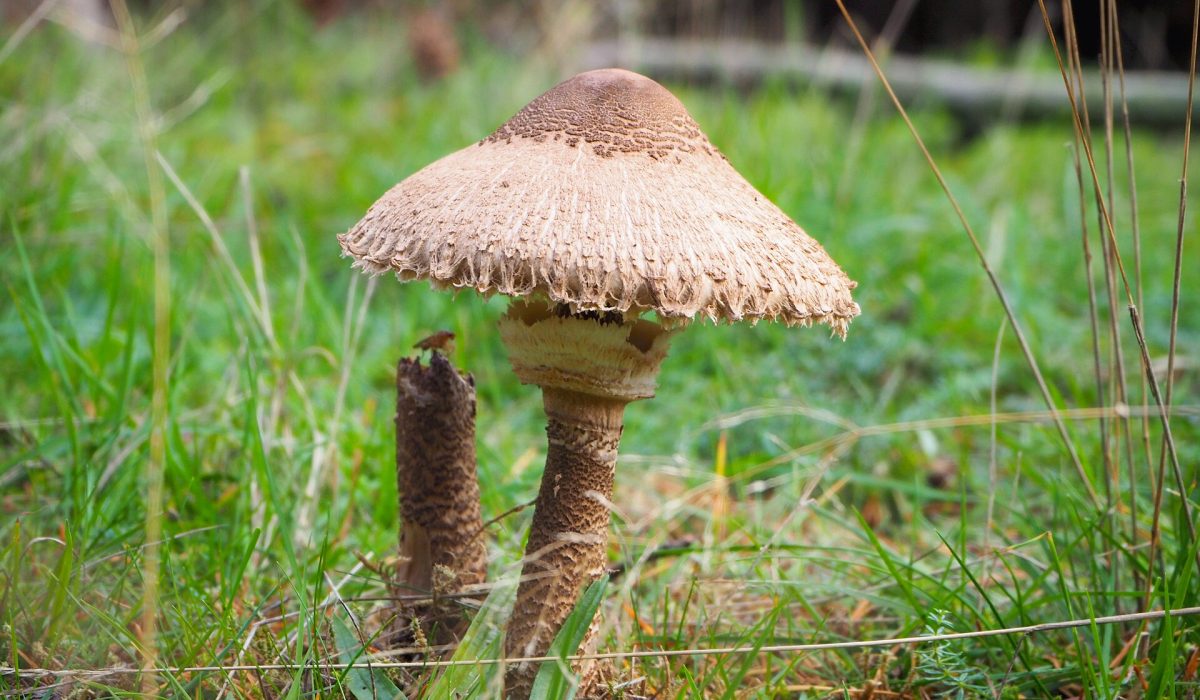
Biology class tends to sort life into neat groups, and fungi are an interesting case. If you’ve asked are fungi unicellular or multicellular, the answer is both. Some fungi, like yeasts, are single-celled. Many others, like mushrooms and molds, are multicellular.
Unicellular fungi: yeasts
The best-known single-celled fungus is yeast. Baker’s yeast, the kind used in bread, is one cell. It reproduces mostly by budding, where a small bump grows on the parent cell, then separates to become a new cell. Yeasts also ferment sugar into carbon dioxide and alcohol, which is why they matter for baking and brewing.
Multicellular fungi: molds and mushrooms
Most of the fungi you can see are multicellular. A mushroom, for example, is the fruiting body of a larger organism. Underground or inside its food source, the fungus grows as a network of thin threads called hyphae. A mass of hyphae is called a mycelium, and that’s the main body of the fungus. Molds on bread or fruit are multicellular as well, growing as fuzzy patches of hyphae.
A few examples
- Baker’s yeast: unicellular.
- Candida: a yeast that can live on the human body, unicellular in its common form.
- Bread mold: multicellular, made of hyphae.
- Button mushrooms: multicellular, with a large fruiting body.
Fungi that switch forms
Some fungi can change between single-celled and multicellular growth, depending on temperature, food and other conditions. These are called dimorphic fungi. A few species that cause human infections grow as molds in the environment and as yeasts inside the body. It’s a good reminder that nature doesn’t always follow our categories.
Why this question shows up so often
Many school tests ask whether fungi are unicellular or multicellular, and the “correct” answer depends on how the question is written. If it says “most,” the safest answer is multicellular, because most known fungi form hyphae. If it asks about a specific group, such as yeasts, the answer is unicellular. If both are offered as an option, choose “both.”
What sets fungi apart
Fungi are their own kingdom, separate from plants and animals. Their cells have walls made of chitin, the same material found in insect shells. They don’t make food from sunlight. Instead, they absorb nutrients from their surroundings by releasing enzymes that break down material outside the body. That makes them important recyclers in nature, breaking down dead plants and animals.
Why it matters in everyday life
Fungi are all around us. Yeast gives us bread and beer. Mushrooms are food. Molds are used to make certain cheeses and to produce medicines like penicillin. They can also cause problems, from spoiled food to infections like athlete’s foot. Knowing the basics helps make sense of a lot of everyday things.
How fungi reproduce
Fungi usually reproduce with spores, which are tiny and light enough to travel through the air. A single mushroom can release millions. When a spore lands somewhere with food and moisture, it can germinate and grow into a new network of hyphae. Yeasts do things a little differently, since budding is their main method, though some also form spores when conditions get tough.
A quick study tip
Remember “yeast is one, mold is many.” It’s short and easy to recall. For other quick science explainers written in plain language, compairro.com is a handy place to check.
If you want to see this yourself, leave a slice of bread in a warm, damp spot for a week. The fuzzy growth that appears is a mold made of countless hyphae, a handy picture of a multicellular fungus doing its work.
The short answer
Fungi can be unicellular, like yeast, or multicellular, like mushrooms and molds. Most are multicellular, a few are single-celled, and some can switch between the two. That’s the full picture for your next quiz.