

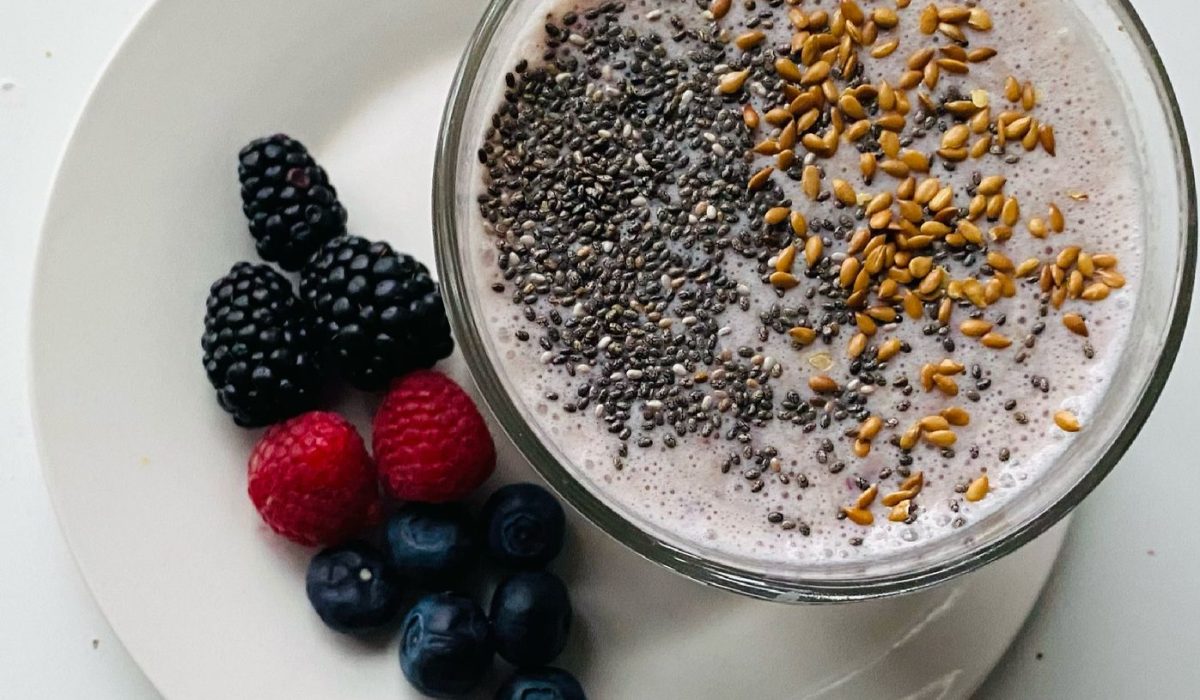
High Protein And Fiber Smoothies are the only kind worth making if satiety is your actual goal. Most recipes load up on fruit, add a scoop of protein powder, and call it balanced. But without real fiber, protein digests faster, blood sugar still spikes, and you’re hungry again by mid-morning. Pair the two properly and the whole picture shifts.
The reason comes down to gastric emptying. When protein and fiber are consumed together, research suggests the stomach empties noticeably more slowly than with either nutrient alone, and that slower transit keeps you full longer. It also blunts the glucose spike that usually follows a fruit-heavy blended drink. From what I’ve seen working with clients on meal prep, this single change cuts between-meal snacking within a week or two.
Getting the numbers right matters more than picking specific ingredients. Aim for 20–30g of protein and 8–10g of fiber per smoothie. That sounds like a lot, but a few well-chosen whole foods get you there without a dozen add-ins.
Why Protein and Fiber Work Together
Fiber slows glucose absorption in the small intestine, reducing post-meal blood sugar spikes compared to low-fiber meals. Protein triggers satiety hormones, mainly GLP-1 and peptide YY, which signal fullness to the brain. Together they hit both mechanisms at once. Separately, they’re useful. Combined, they’re substantially better at controlling hunger for three to five hours.
There’s also a practical angle here. Fiber without protein often means a lower-calorie drink that leaves you craving something solid by 10 a.m. Protein without fiber means faster digestion and a blood sugar curve that can still run pretty aggressive depending on how much fruit is in the blend. The combination is the point, not a bonus feature.
Best Ingredients by Nutrient Density
You don’t need twenty ingredients. A short list of high-yield foods does most of the work.
- Greek yogurt (200g): 17g protein, around 0g fiber — your protein anchor
- Frozen edamame (1 cup, shelled): 17g protein, 8g fiber — underused and genuinely excellent
- Chia seeds (28g, about 2 tablespoons): 5g protein, 10g fiber — gels up, thickens the blend
- Hemp seeds (3 tablespoons): 10g protein, 1.2g fiber — mild flavor, blends invisibly
- Silken tofu (150g): 9g protein, 0g fiber — creamy base, neutral taste
- Flaxseed meal (2 tablespoons): 3g protein, 4g fiber — adds a slightly nutty edge
Frozen edamame is the one most people skip. It sounds odd in a smoothie, but blended with banana and almond milk it disappears completely and delivers a protein-fiber ratio that almost nothing else matches. Worth trying at least once before writing it off.
Four Smoothie Recipes With Numbers
Berry protein builder
Blend 200g Greek yogurt, 1 cup frozen mixed berries, 2 tablespoons chia seeds, and 1 cup unsweetened almond milk. Total: roughly 24g protein, 12g fiber, about 320 calories. This is the easiest starting point, and the one I’d suggest if you’re new to fiber-heavy blending.
Green edamame smoothie
Blend 1 cup frozen shelled edamame, 1 frozen banana, 1 tablespoon hemp seeds, 1 cup spinach, and 300ml oat milk. Total: around 22g protein, 10g fiber, 370 calories. The banana and oat milk handle sweetness. It looks green, tastes mild.
Chocolate hemp blend
Blend 150g silken tofu, 3 tablespoons hemp seeds, 1 tablespoon flaxseed meal, 1 tablespoon cocoa powder, 1 frozen banana, and 250ml almond milk. Total: approximately 21g protein, 8g fiber, 340 calories. Tofu gives it a mousse-like texture when blended cold.
Peanut butter chia shake
Blend 2 tablespoons natural peanut butter, 200g Greek yogurt, 2 tablespoons chia seeds, 1 cup frozen banana slices, and 200ml milk of your choice. Total: about 28g protein, 11g fiber, 420 calories. Higher calorie, but appropriate as a post-workout meal replacement rather than a snack.
Timing and Portion Basics
High Protein And Fiber Smoothies work best replacing a meal, not supplementing one. Drinking one alongside a full breakfast usually means overshooting calories without much added benefit. As a standalone breakfast or post-workout meal, the 300–420 calorie range above fits most people without adjustment.
Timing around exercise matters a little. Within 30–60 minutes after a workout, protein uptake is higher and a 20–30g protein smoothie fits well. For general mornings, drinking it within an hour of waking keeps blood sugar stable through to lunch — which, in my experience, is when most people notice the real difference from their old routine.
One honest caveat on fiber: if you’re not used to 8–10g in a single sitting, scale up over a week or two. Starting at full dose can cause bloating (I’m not sure everyone tolerates chia well, even gradually). Drop the chia to 1 tablespoon and flaxseed to 1 teaspoon, then increase from there.
Prep makes a real difference too. I batch the dry add-ins, chia, hemp, and flax, into weekly portions in small bags on Sunday. Blending takes under three minutes when seeds are pre-measured and fruit is already frozen. Skipping that step is the main reason people abandon the habit by Wednesday.
FAQs
How much protein should a smoothie have?
Aim for 20–30g per smoothie if it’s replacing a meal. For a snack, 10–15g is usually enough to support satiety without overshooting your daily intake.
Can you get too much fiber in a smoothie?
Yes. Above 15g in one drink, most people experience bloating or cramping. Build up gradually and stay well hydrated, especially with chia and flaxseed.
Are high protein fiber smoothies good for weight loss?
They support it by reducing hunger and blunting blood sugar spikes, but total daily calories still determine weight change. These smoothies make eating less easier, not automatic.